In the early days of film, there was no sound. It was called the silent era for a reason. Yet, despite its name and the lack of recorded audio to accompany early films, innovative cinemas found creative ways to incorporate sound and music into film.
In the same vein as early cinemas that provided live music and creative sound effects to bring films to life, filmmakers, content creators, and all types of video marketers and creatives continue to find new ways to incorporate audio into their videos and projects.
Let’s explore exactly what is field recording, and the fascinating practice of finding, recording and editing your own ambient sound effects, foley sound effects, and background music for your videos. We’ll also share easier-to-use options for royalty free Foley and other audio to add realism to your projects.
What is field recording?

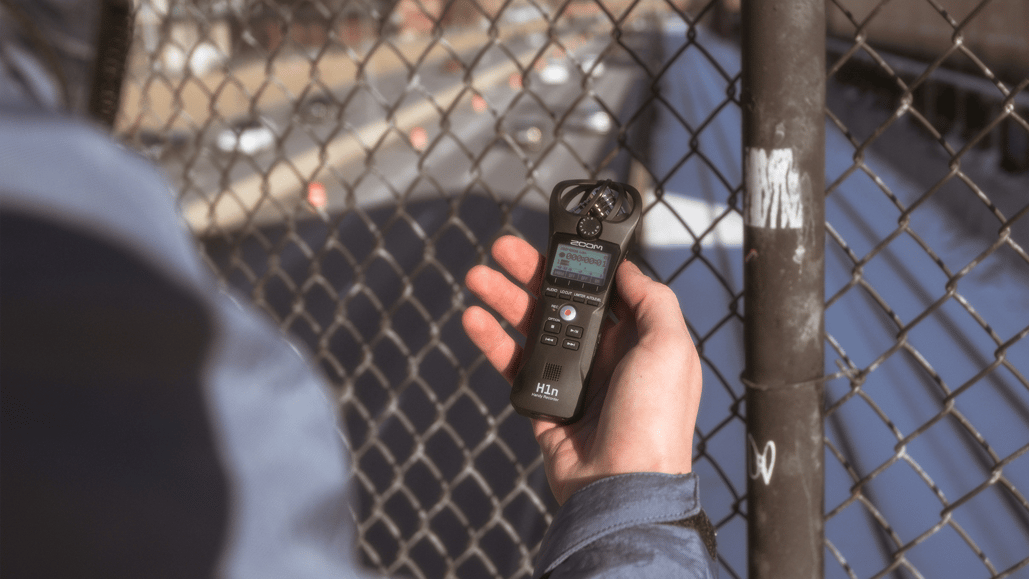
Field recording is the art of recording audio outside of the safe and controlled confines of recording studios or other professional audio settings. In simpler terms, field recording refers to the act of recording audio in natural settings outside.
Field recording can also be used to capture human-produced sounds, but for the most part, it is intended to differ from professional studio recording, which is typically done in controlled environments with pristine equipment.
Field recording is an active task that requires a great deal of gear and expertise to do well, as audio recorded in nature is much harder to capture, control, and work with in post-production.
The different types of field recording
To further help explain, let’s go over the three main types of field recording methods, which you might find in both professional and beginner film, video, and content production.
Ambient noise and room tone
This is what most people mean when they talk about field recording these days. For projects as diverse as feature films, podcasts, and TikToks, adding naturalistic ambient noise and room tone to your videos and content is a great way to make them feel more realistic and lived-in.
Foley and sound effects
The second most common type of field recording involves sound effects and the art of Foley, which consists of reproducing everyday sound effects typically done by professional Foley artists. Finding and recording your own Foley and sound effects can be enjoyable for creative individuals, but it can also be challenging, as it requires a great deal of trial and error and audio editing expertise.
Background music
The other primary type of field recording that many associate with this term is background music. As its name implies, background music is music that can be used in the background of movie or television scenes, or as a soft background music for your social videos or other ad campaigns.
Background music is different from a soundtrack for a film, as it’s meant to be subtle and hardly noticeable. It shouldn’t be at the forefront of your content; instead, it’s best used to add small bits of energy and activity to your projects and nothing more.
Some Field Recording Tips

As for the art of field recording in real life, it’s a process that’s done pretty similarly to any other type of audio recording. All you technically need is a microphone and a suitable audio recording device. Yet, while you can obviously record sound effects or background noise with your iPhone these days, to achieve high-quality audio for most video content, you’ll need professional field recording equipment.”.
You can research some of the best professional audio microphones for field recording, as well as the best audio recorders, which help process the audio as it's recorded and transfer it into high-quality files.
However, for most filmmakers, content creators, and marketers these days, the best bet is to find field recording sound effects and music that have been recorded and edited by professionals, offering an easy-to-license and use option.
Royalty free field recording options
To help you with the easy side of field recording, we have some helpful resources and playlists to share with you, giving you a glimpse into the vast array of high-quality, royalty free music and sound effects available on the Soundstripe platform.
Here are some resources to check out.
- Discover the Best Background Music for Videos: Download 10 Free BGM Song Previews for Your Projects
- How to Find Background Music for Your Travel Videos
- The 5 Best Genres for Background Music for Videos
- Vloggers Rejoice! 10 Best Royalty Free Sound Effects for Vlogs to Instantly Elevate Your Content
- Best Royalty Free Sound Effects for Podcasts - Using SFX to Create Engaging Audio Stories
- The Best Royalty Free Sound Effects for YouTube - Hassle-Free SFX to Make Your Videos Stand Above the Rest
You can also dive directly into the Soundstripe app and explore some of the top options from our music library, which features nearly 60,000 tracks from Grammy-winning talent and rising independent musicians.
Tips for working with music and sound effects

Now, when working with field recording yourself, there’s a lot to consider. Not only do you need to invest in reliable gear that can record high-quality audio, but you’ll also need to be very careful about where you record and the environments in which you’re working.
For a natural atmosphere and room tones, look for areas where unnatural, unpredictable man-made sounds will be rare, or at least repetitive enough that they become part of the drone.
If you're using royalty free sound effects and music tracks from Soundstripe, here are some additional tips to keep in mind when working with the audio files.
- Explore the complete Soundstripe library and experiment with the various filters and settings to refine your searches.
- Consider downloading preview tracks to use as placeholders in your edits before deciding if a track is right for your project.
- Try out Soundstripe’s AI Song Editor to instantly get the correct length for your music.
And for more tips and tricks for video production and audio editing, be sure to keep tabs on new articles from the Soundstripe blog.