When diving into sound and audio editing for video or other hybrid media projects, there are many factors to consider. When it comes to music specifically, most editors are going to look for songs (usually royalty-free songs) that fit the need for their project and then move straight into editing.
However, as many more seasoned editors and creators might point out, you not only want to consider finding the right-sounding music for your projects, but you also want to find the right quality music for your projects.
While we have you covered in terms of musical quality in terms of having real, professional musicians creating real music that fits the thematic and tonal needs of your projects, we also have you covered with the quality of the music in terms of sample rates and data.
Let’s take a look at why finding royalty free music that is 48 kHz vs 44.1 kHz is going to help you make better-sounding projects with more professional audio sample rates that are more ideal for film, video, and other media projects.
48kHz vs 44.1kHz
If you aren’t familiar with the numbers and letters above, let’s do a quick recap. The “kHz” letters stand for kilohertz, a unit of frequency equal to 1,000 cycles (or oscillations) per second. In these measurements, one Hertz (the Hz) equals one cycle per second, which means that 1 kHz equals 1,000 Hz.
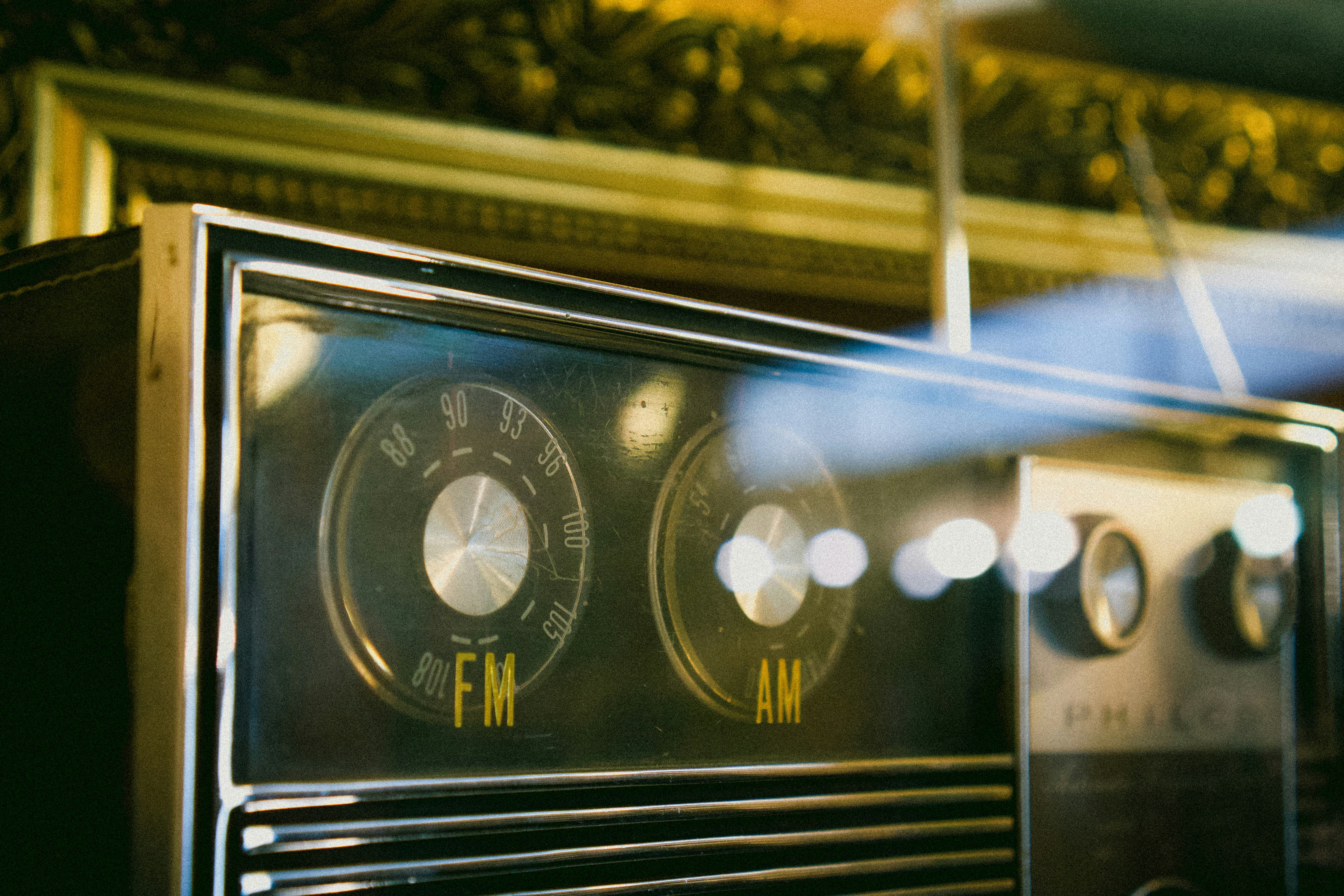
These metrics are commonly used to measure sound, radio, and electronic waves and signals. You’ve probably heard these terms when tuning a radio (AM bands are measured in kHz) or when reviewing audio sampling rates.
This is where we’re interested in exploring Kilohertz as the audio sampling rate, since the one you choose for your audio files (such as royalty-free music selections) matters. 44.1 kHz and 48 kHz are two of the most common audio sample rates, and to many they might seem indistinguishable.
Why using 48 kHz audio matters
For seasoned audio and content professionals, there are compelling reasons to work with 48 kHz vs 44.1 kHz audio. The biggest reasons are quality and data. As you might expect, 48 kHz audio captures more data and offers greater headroom for editing, making it ideal for video and film sync and editing.
The 44.1 kHz audio sample rate is more common in music intended for listening and is the rate used most often in CDs and streaming. If you know what you’re doing and want the best audio sample rate for video projects, your best bet is 48 kHz audio.
Where to find 48 kHz royalty free music
As you might expect, we’re highlighting the importance of 48 kHz audio because Soundstripe is one of the few music licensing companies that offer this superior audio quality in its royalty-free music library.
If you’re looking to find 48 kHz royalty-free music, look no further than these top selections, which we’ve picked out from the Soundstripe music library below.
- Conundrum by Cody Martin
Description: A medium-energy, score song best described as hopeful and inspiring. Piano and synth are the primary instruments in this track.
BPM: 100
Key: C Minor
Listen and license here
- Stillness by echowave
Description: A low-energy, acoustic song best described as romantic and hopeful. Guitar and acoustic guitar are the primary instruments in this track.
BPM: 124
Key: D Major
Listen and license here - Just Look Up by LNDÖ
Description: A high-energy rock song best described as inspiring and hopeful. The guitar and electric guitar are the primary instruments on this track.
BPM: 117
Key: G Major
Listen and license here - The Count by Adrian Walther
Description: A high-energy pop song best described as happy and inspiring. Acoustic guitar and guitar are the primary instruments in this track.
BPM: 130
Key: A Major
Listen and license here - Motivation by Ivy Bakes
Description: A high-energy, electronic song best described as happy and fun. Synth and percussion are the primary instruments in this track.
BPM: 170
Key: F Minor
Listen and license here - Vices by Lunareh
Description: A high-energy, electronic song best described as fun and happy. Drums and electronic drums are the primary instruments in this track.
BPM: 120
Key: A Minor
Listen and license here - Horizon by Salon Dijon
Description: A high-energy, classical song best described as inspiring and reflective. Synths and strings are the primary instruments in this track.
BPM: 118
Key: Bb/A# Major
Listen and license here - Adventurous Spirit Reveille
Description: A medium-energy, acoustic song best described as hopeful and inspiring. Guitar and acoustic guitar are the primary instruments in this track.
BPM: 114
Key: A Major
Listen and license here - Solina by Wayfair
Description: A medium-energy rock song best described as fun and happy. The guitar and electric guitar are the primary instruments on this track.
BPM: 152
Key: A Major
Listen and license here - The Great Beyond by Moments
Description: A low-energy, score song best described as hopeful and inspiring. Strings and ambient tones are the primary instruments in this track.
BPM: 160
Key: A Major
Listen and license here
Of course, these are just a handful of tracks worth exploring. If you’d like to further search through more high-quality royalty-free music, then go to the Soundstripe app here.
What is royalty free music?
Let’s also take a quick moment to go over a few terms that you might not be familiar with. If you aren’t super experienced in music licensing, then let’s take a moment to go over what the term “royalty-free” means regarding licensing music for your projects. Here’s a helpful read on what royalty free music means.
To fully understand how music rights and royalties work, you must know that all music has basic copyrights. These copyrights extend to both the composer and the musicians who recorded it. And if you want to use any music in any videos, you’ll need to obtain permission from the copyright owners.
Royalty-free music can be an excellent option for all your projects because it’s easy to find and use. Soundstripe’s music is composed and recorded by Grammy-winning artists who craft great music for all types of films and video content.
Tips for working with 48 kHz audio
As you might expect, if you’re someone looking for the highest quality audio to use in your projects, you’re likely doing so for a reason. Whether you’re looking for more headroom to make your music dynamic and impactful as the soundtrack for an ad, or if you’re looking to better tame music to be used in the background of a scene in a film, you’ll want the best audio possible.
To further help you work with these high-end audio files, here are some tips to keep in mind when editing for video or other media projects.
- Consider downloading preview tracks to use as placeholders in your edits before deciding if a track is right for your project.
- Discover our extensive library of royalty free sound effects to enhance your videos with added emphasis.
Otherwise, if you’re here looking for 48 kHz royalty-free music tracks, you’ve likely found them and are ready to go with high-quality audio that delivers the best music for your projects.
Sound better and create faster with Soundstripe.